

Top Houseplants for Low-Light Conditions
Our chosen theme today: Top Houseplants for Low-Light Conditions. Discover resilient, beautiful plants that stay lush in dim corners, learn how to keep them thriving, and join our community for tips, stories, and inspiration. Subscribe to get monthly low-light care checklists straight to your inbox.
What Low Light Really Means
Low light usually means bright enough to read comfortably during the day, but without direct sunbeams. Think hallways or rooms several feet from windows, roughly 50–250 foot-candles. All plants still need some light, so aim for consistent ambient brightness and avoid pitch-dark spaces.
Reading Your Room Like a Pro
Stand where you plan to place a plant and look for the sky. If you see it indirectly or reflected, you likely have low light. North-facing rooms, offices with shaded windows, and corners behind sheer curtains are classic. Share a photo of your corner and ask the community for tailored advice.
Expectations and Gentle Growth
In low light, growth slows. Leaves may emerge smaller, internodes stretch slightly, and color can be softer. That is normal for tolerant species. Set realistic expectations, celebrate steady progress, and subscribe for seasonal adjustment reminders that match your plant’s slower rhythm.
ZZ Plant (Zamioculcas zamiifolia)
Shiny, architectural fronds store water in thick rhizomes, making the ZZ plant a champion for low light and occasional forgetfulness. A reader kept one thriving in a softly lit entryway for five years—share your longest-lasting ZZ story with us below.
Snake Plant (Dracaena trifasciata)
Upright, sculptural leaves bring strong lines to dim spaces and tolerate irregular watering. It handles low light gracefully but grows faster with more brightness. Rotate monthly for balanced form, and comment with your favorite cultivar, from classic green to striking variegated patterns.
Watering Strategy for Low-Light Champions
Slower Sips, Happier Roots
In low light, plants use water more slowly. Let the top inch or two of soil dry before watering again. Use your finger or a simple moisture meter, and track intervals in a notes app. Comment with your typical winter schedule to help others calibrate.
Soil and Drainage That Forgive Mistakes
Choose a well-draining mix: quality potting soil lightened with perlite, bark, or pumice. Always use pots with drainage holes, and empty saucers after watering. This simple habit prevents soggy roots, especially crucial for ZZ and snake plants in shaded rooms.
Seasonal Tweaks Without Stress
Water less in winter when days are shortest and indoor air is cooler. Resume slightly more frequent watering in spring as daylight extends. Keep a gentle routine and subscribe for our quarterly reminders so your low-light plants glide through seasonal changes.
Light Maximizing Tricks Without Direct Sun
Place plants opposite light-colored walls or near mirrors to bounce ambient light deeper into the room. A narrow hallway becomes brighter when glossy frames or pale paint reflect window glow. Share your before-and-after shots to inspire fellow readers with similar spaces.
Light Maximizing Tricks Without Direct Sun
A small full-spectrum LED on a timer can bridge gloomy seasons. Aim lights off to the side for diffuse glow, not harsh beams. Start with eight to ten hours daily and adjust slowly. Drop your favorite compact fixtures for apartment-friendly setups in the comments.

Styling Your Space With Low-Light Plants
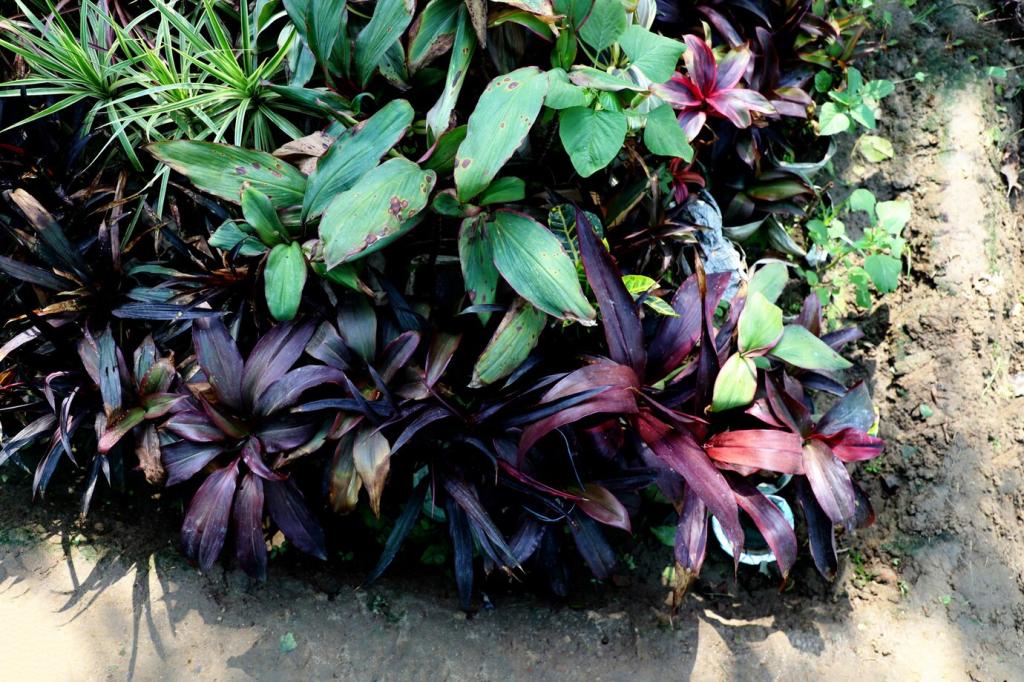
Set a ZZ plant beside a shoe bench for sculptural calm, or line a console with small snake plants for rhythm. Low light suits these transitional spaces perfectly. Upload your entryway layout and ask the community which plant size balances your furniture best.
Styling Your Space With Low-Light Plants
Trail pothos or heartleaf philodendron off shelves to soften hard lines, and place a compact cast iron plant near floor speakers. The varied textures elevate a dim living room. Share your shelf styling tricks and we will feature clever solutions in our newsletter.
Styling Your Space With Low-Light Plants
Peace lilies and select philodendrons appreciate the extra humidity many bathrooms offer, even with modest light. Avoid completely dark rooms; a small window or occasional door-open daylight helps. Comment with your bathroom setup and we will suggest best-fit species.
Common Problems and Confident Fixes in Low Light
Leggy Vines and Stretching
If vines look sparse with long gaps, they are reaching for brightness. Move a little closer to light, add a mirror, or provide a modest LED. Pinch back tips to encourage branching. Share a picture, and the community will help you choose the gentlest adjustment.
Yellowing or Mushy Leaves
Overwatering is the usual culprit in dim rooms. Check roots for mush, trim damaged portions, repot into airy mix, and reduce frequency. For peace lilies, slight droop followed by a thorough drink works better than constant dampness. Tell us what changed and what helped.
Dust, Pests, and Simple Maintenance
Dust dulls leaves, especially on snake and ZZ plants. Wipe with a damp cloth monthly to improve photosynthesis. Inspect for fungus gnats if soil stays wet too long. Keep notes on what you observe and subscribe for our printable maintenance checklist to stay consistent.